Why AV Integrators Must Move into AI Workplace Advisory
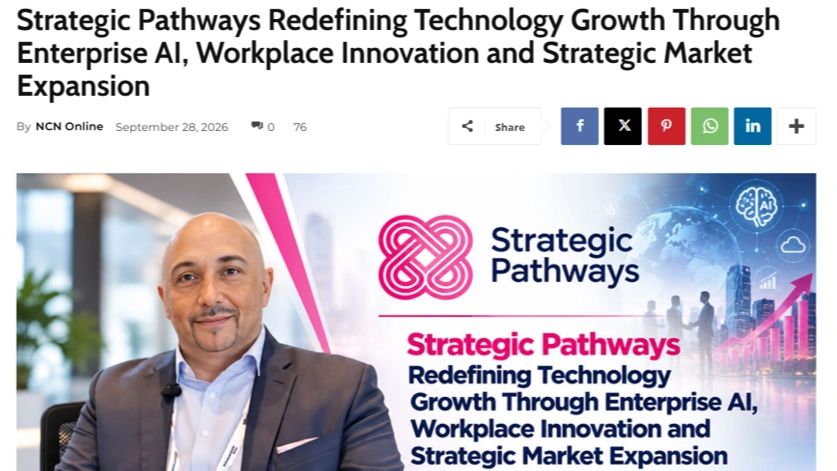
AI workplace advisory is the move by AV and IT system integrators from supplying and installing hardware to advising enterprises on how their Workforce, Workflow, Workspace and WorkTech operate as one system. It matters now because the bottleneck for enterprise technology adoption is no longer the hardware or the AI model. It is the operating model.
Why fragmented workplaces slow AI adoption
Enterprises are rushing to deploy AI capabilities and hybrid collaboration tools, but they are doing so into fragmented organisational structures. When AI is deployed without a unified operating architecture, it does not solve operational inefficiencies - it accelerates them. Systems are bolted on rather than built in, workspaces fail to reflect modern workflow requirements, and leadership teams find themselves managing technology investments that fail to return.
This structural gap creates an immediate challenge for enterprise leadership. But for AV and IT system integrators operating across Asia Pacific, it represents an even greater strategic opportunity.
How the 4W Workplace Framework widens the integrator role
To move from transactional hardware vendors to trusted enterprise advisors, integrators must adopt a structured framework that addresses the entire workspace ecosystem. At Strategic Pathways, we frame this through the 4W Workplace Framework:
- Workforce: Human capability and Human-AI partnership, including leadership maturity, digital behaviour and AI fluency.
- Workflow: How work is designed and executed: process clarity, decision rights and governance integrity.
- Workspace: Physical and digital environments, designed for reliable collaboration and focused execution.
- WorkTech: The technology systems that enable intelligence: interoperable AV, IT, cloud, security, data and AI infrastructure.
Integrators have traditionally anchored their value almost exclusively in the fourth dimension: WorkTech. By expanding their capability across all four dimensions, integrators position themselves to advise enterprise clients on how work actually gets done.
What moving upstream means for an integrator
Integrators who remain bound to hardware margins will continue to face margin compression and competitive pressure. The strategic shift requires moving upstream into enterprise workplace advisory services.
When an integrator sits down with a client not merely to discuss which videobar or touch control panel to install, but to design how the workforce, workflow, workspace, and technology intersect as a single system, the nature of the relationship changes entirely. You cease to be a supplier bidding on a bill of materials. You become a system architect.
The commercial case for integrators
The mandate for integrators in the AI era is clear. Sustainable growth is achieved when human expertise and technology capabilities operate as a unified system. By guiding enterprise clients through the design and alignment of their workplace operating models, integrators can capture higher-value consulting engagements, secure deeper enterprise relationships, and build resilient, long-term revenue streams that transcend hardware cycles.
Diagnostics precede decisions. The integrators who thrive in the AI era will be those who help their clients build the structure before the technology arrives.
Strategic Pathways works with enterprise leaders to turn this kind of analysis into a running system. If you are weighing how this applies to your own organisation, you can start a conversation.
This analysis is part of the Human and AI Intelligence newsletter, a weekly briefing for executive leaders on growth, execution and AI strategy across APAC.
Frequently asked questions
What is AI workplace advisory for integrators?
It is the shift from selling and installing AV and IT hardware to advising enterprise clients on how their workforce, workflow, workspace and technology work together as a single system.
Why is the traditional integrator model under pressure?
Integrators have competed on execution speed, project delivery and equipment margins in an increasingly commoditised hardware market, which leads to margin compression and competitive pressure.
What happens when AI is deployed into a fragmented organisation?
It does not solve operational inefficiencies; it accelerates them. Systems are bolted on rather than built in, and technology investments fail to return.
Which 4W dimension do integrators usually cover?
WorkTech. Expanding capability across Workforce, Workflow and Workspace lets integrators advise on how work actually gets done.
What do integrators gain by moving upstream?
Higher-value consulting engagements, deeper enterprise relationships and long-term revenue streams that outlast hardware cycles.
Comments
Post a Comment