Wearable Tech at Work: Can Spatial Computing Deliver?
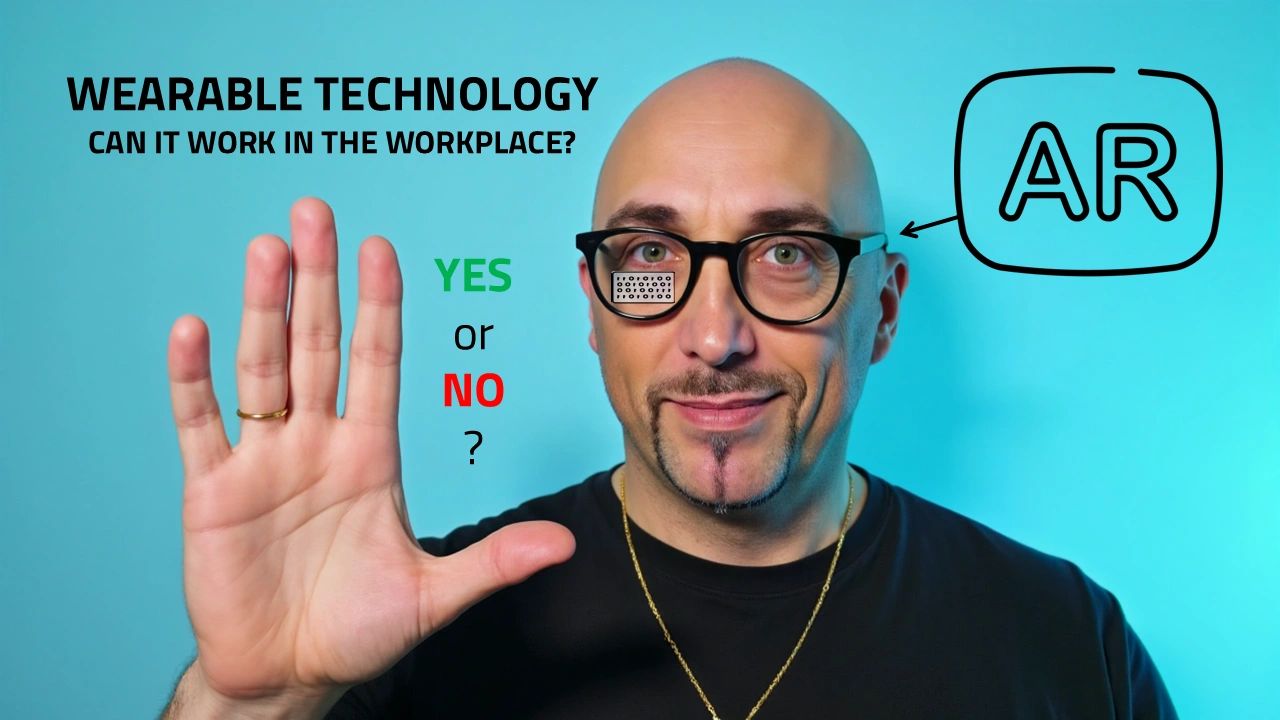
The Spectacle Barrier is the friction that arises whenever a technology asks people to wear glasses or a headset to unlock its value. It explains why 3D TV failed, and why workplace wearables succeed only where the value is an order of magnitude greater than the friction: in tasks that are dangerous, difficult or distant.
The vision is compelling: a future of work where spatial computing and the "enterprise metaverse" revolutionise everything from collaboration to training. With major players pushing devices like the Meta Quest for professional use, it feels like we're on the cusp of a new paradigm.
But if you feel a sense of déjà vu, you’re not alone. The dream of putting screens on our faces is decades old, and the path is littered with expensive failures. These aren't isolated incidents. They're symptoms of a persistent challenge I call the "Spectacle Barrier" - a fundamental friction that arises whenever a product requires users to wear glasses or a headset to unlock its value.
This barrier isn't just about technology; it's a complex web of human factors, ecosystem economics, and value-proposition gaps that are magnified in the corporate world. To understand the future, we first need to look at the past.
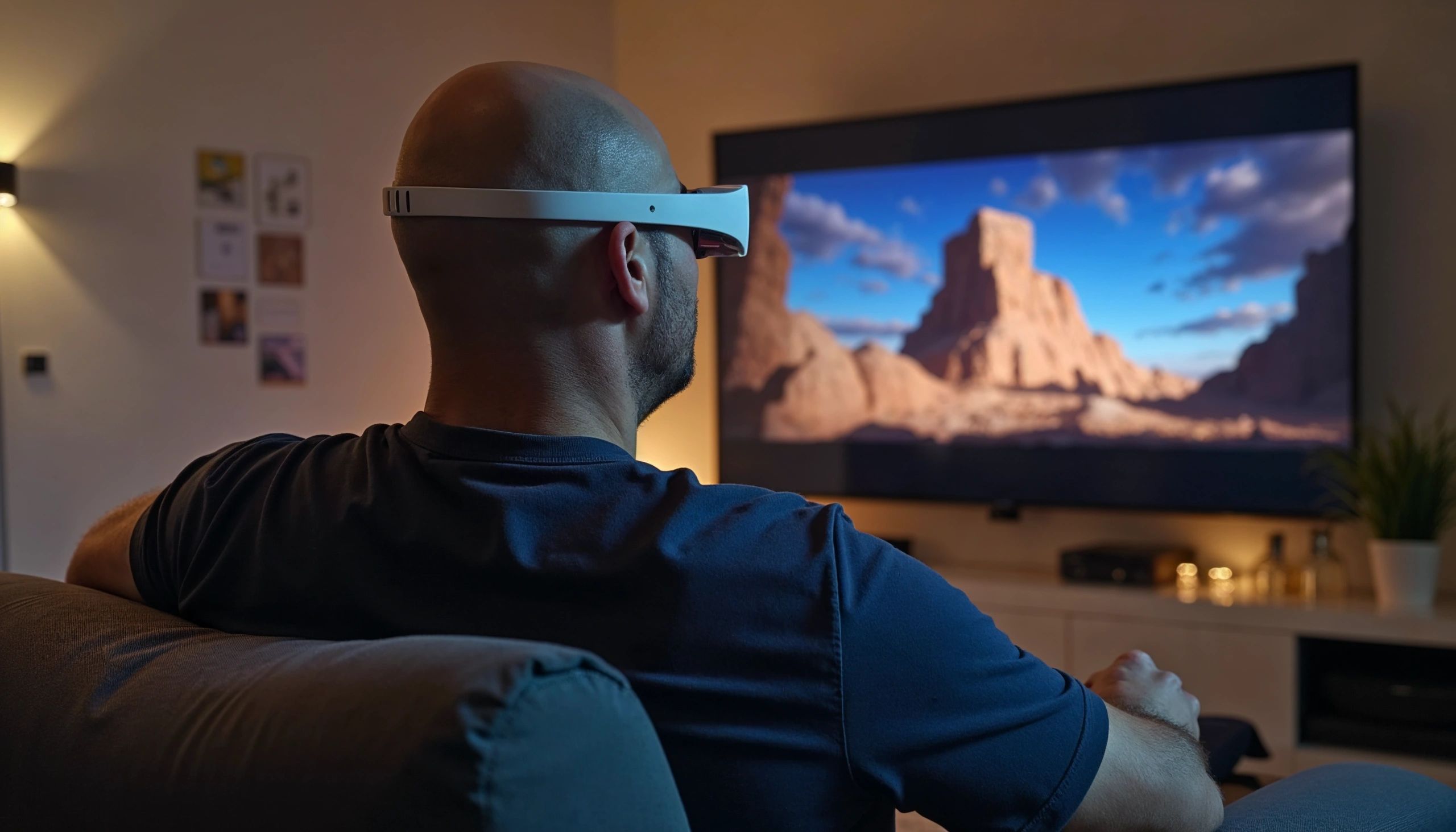
The Lessons of 3D TV
Remember 3D TV? Launched with blockbuster hype after Avatar, it was declared the next big thing in home entertainment. Within seven years, it was dead. Its collapse is the perfect case study for the Spectacle Barrier.
The "Glasses Problem" Was a Human Problem
The issue wasn't just the inconvenience of wearing glasses. It was the physical discomfort - widespread reports of eye strain and headaches. It was the social friction, isolating viewers and preventing the casual multitasking that defines home TV viewing. The technology demanded a rigid experience that didn't fit how people live.
The Ecosystem Collapsed
The hardware was expensive and fragmented. This led to a classic chicken-and-egg problem: consumers wouldn't buy the pricey hardware without content, and studios wouldn't produce content without a large audience. Dedicated 3D channels from DirecTV and ESPN fizzled out, starved of both.
The Value Wasn't There
The "wow" factor of a massive cinema screen didn't translate to a 50-inch TV. For most, 3D was a gimmicky add-on, not a revolutionary upgrade worth thousands of dollars.
The Modern Challenge
The same forces that doomed 3D TV are confronting today's wearables, but companies are now trying different strategies to break through the barrier.
The "All-In" Headset (Meta Quest)
This is the direct approach: build a powerful, immersive device and convince the world its value justifies the friction. But for enterprise use, the ergonomic wall remains. Current VR headsets are still too heavy for all-day wear. For most knowledge workers, they fundamentally break the highly efficient workflow built around a keyboard and monitor. The enterprise deployment and security challenges are also significant, making the Total Cost of Ownership (TCO) immense.
The "Socially-Acceptable" Trojan Horse (Ray-Ban Meta)
At the other end of the spectrum are the Ray-Ban Meta glasses. Here, the strategy is reversed. This approach prioritises overcoming the social barrier above all else. By looking and feeling like a normal pair of sunglasses, they completely avoid the "Glasshole" effect that plagued Google Glass. The trade-off? They sacrifice true AR capabilities for simpler functions like a camera, audio, and an AI assistant. It's a "low-friction, low-initial-value" play, hoping to normalise face-worn tech and build an ecosystem before introducing more advanced features.
The "Holy Grail" of True AR (Meta's Project Orion)
The ultimate ambition, embodied by long-term research projects like Meta's codenamed "Orion," is to merge these two worlds. The goal is to create the power and utility of a full headset within the lightweight, socially-acceptable form factor of everyday glasses. These would be true AR glasses, capable of projecting persistent, context-aware digital information onto the real world. However, the technological hurdles - from miniaturising processors and displays to solving battery life - are monumental. For now, this remains the stuff of R&D labs, not corporate purchasing orders.
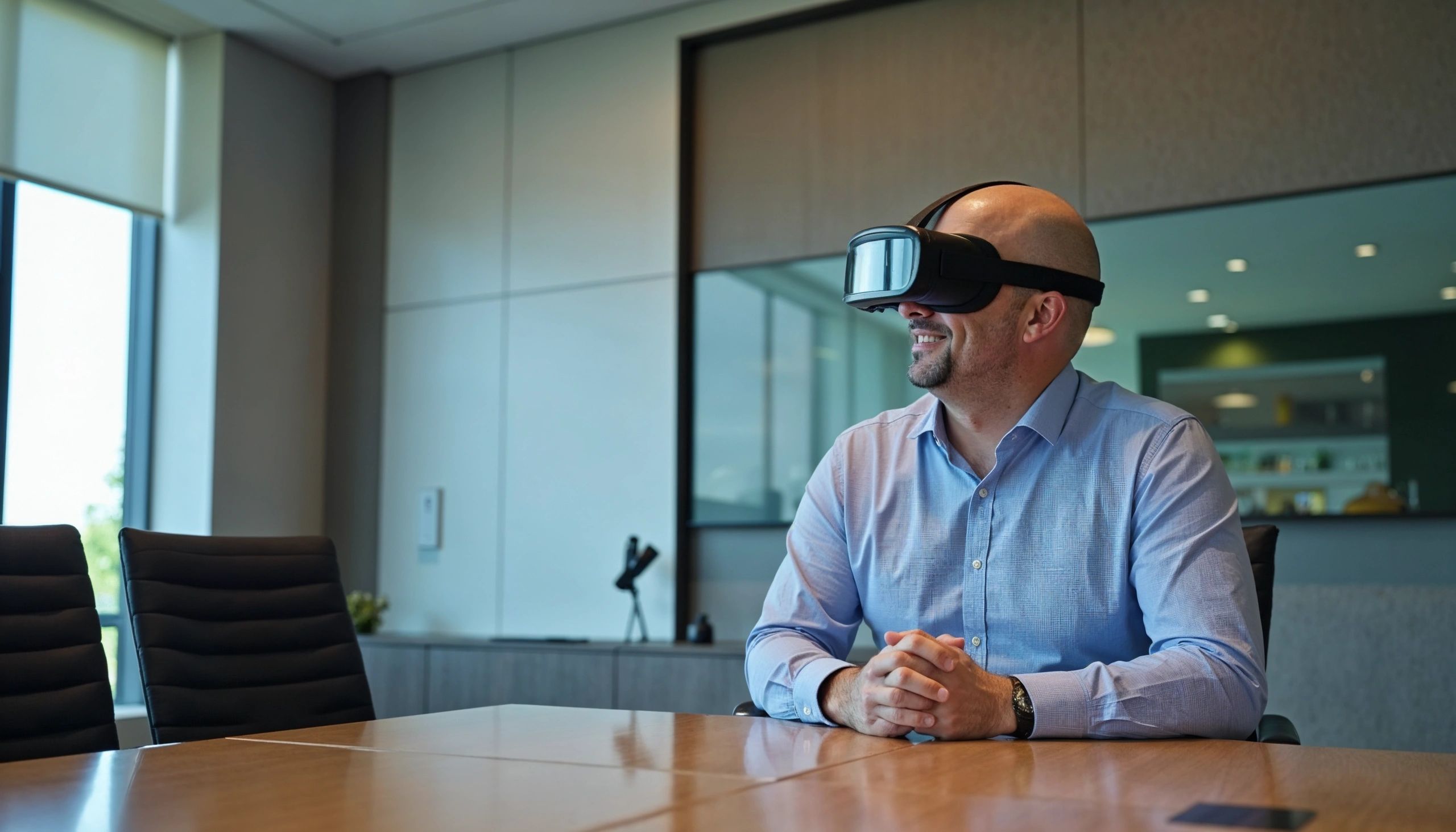
Where the Barrier Crumbles
Despite these challenges, the technology is not a gimmick. The Spectacle Barrier is only overcome when the value delivered is an order of magnitude greater than the friction imposed. Success isn't found in broad, horizontal applications (like virtual meetings), but in specific, vertical niches.
Think of the 3 D's: tasks that are Dangerous, Difficult or Distant and therefore Expensive.
- Dangerous: Training an engineer on high-voltage equipment. VR provides a perfectly safe, repeatable simulation.
- Difficult: Teaching a surgeon a complex new procedure. AR can overlay instructions and diagrams in their field of view.
- Distant: Allowing a remote expert to see what a field technician sees, saving thousands in travel costs.
In these cases, the competitor isn't a Zoom call; it's a dangerous real-world scenario, an expensive physical prototype, or a plane ticket. When measured against these alternatives, the friction of a headset becomes an acceptable and highly profitable trade-off.

A Pragmatic Path Forward
The future of workplace wearables isn't about replacing the office. It's about strategically augmenting it. The path to adoption lies not in forcing everyone into a virtual world, but in identifying the specific, high-friction tasks that can be done radically better, safer, or cheaper with these powerful new tools.
For leaders exploring this space, the question shouldn't be "How do we build an enterprise metaverse?" It should be, "What is the most dangerous, difficult, or expensive physical problem we can solve?"
Strategic Pathways works with enterprise leaders to turn this kind of analysis into a running system. If you are weighing how this applies to your own organisation, you can start a conversation.
This analysis is part of the Human and AI Intelligence newsletter, a weekly briefing for executive leaders on growth, execution and AI strategy across APAC.
Frequently asked questions
What is the Spectacle Barrier?
The friction that arises whenever a product requires users to wear glasses or a headset to unlock its value: human discomfort, ecosystem economics and value gaps that are magnified at work.
Why did 3D TV fail?
Wearing glasses was uncomfortable and socially isolating, the ecosystem stalled in a chicken-and-egg problem between hardware and content, and the value did not justify the cost.
Where do workplace wearables succeed?
In vertical niches where tasks are dangerous, difficult or distant, and therefore expensive: safety training, complex procedures and remote expert support.
What should leaders ask about wearables?
Not how to build an enterprise metaverse, but which dangerous, difficult or expensive physical problem the technology can solve.
Comments
Post a Comment