B2B Buying Journey: The Skills AV Sellers Need Now
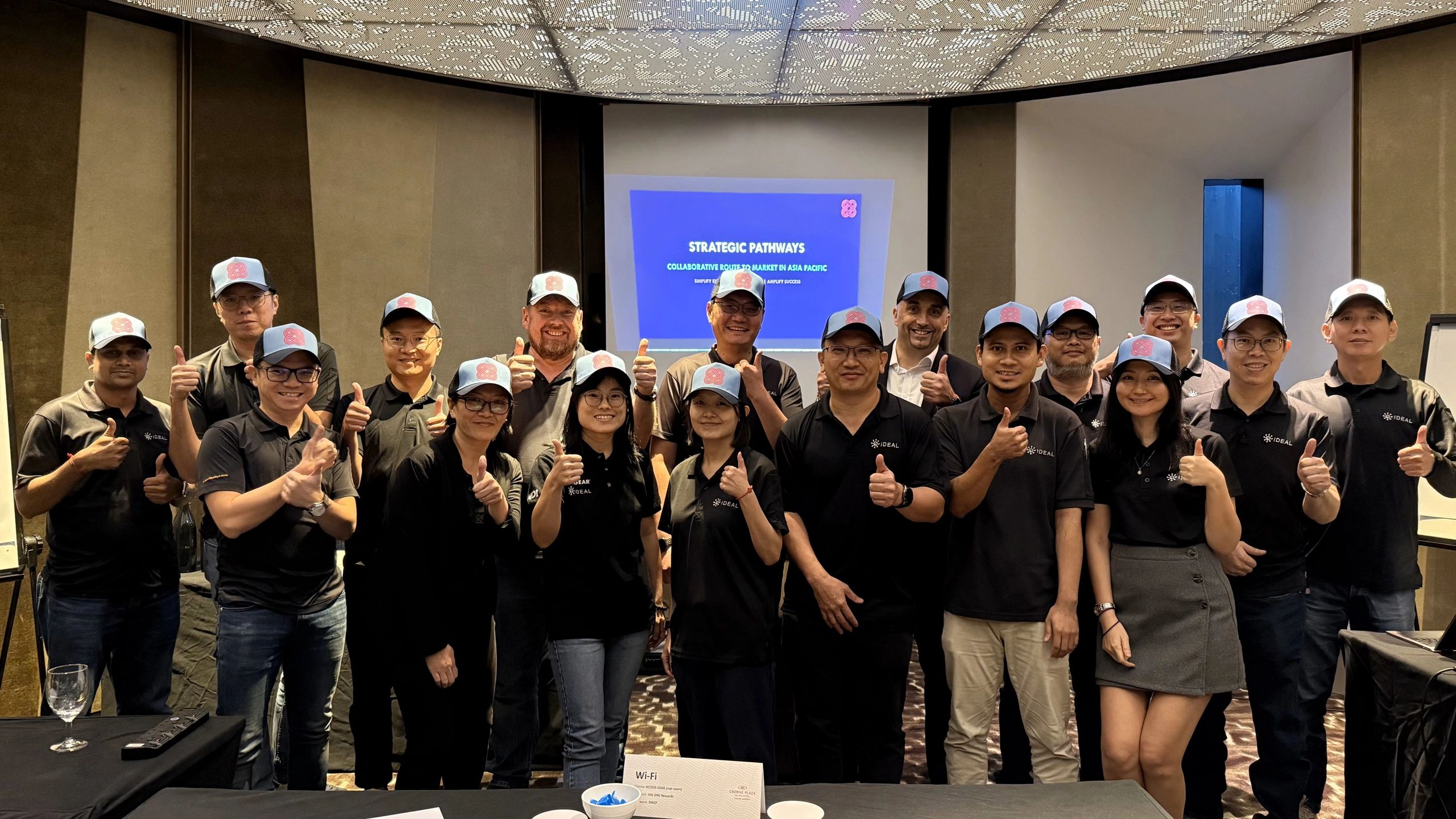
The new B2B buying journey is the non-linear, multi-stakeholder process through which enterprise buyers now decide, with technical experts, finance and the C-suite each weighing different outcomes. For AV integrators, technical expertise alone no longer wins it: sales teams need methods that lead clients through that complexity, as IDEAL Systems Singapore (now AVbuddy) set out to build in a Strategic Pathways workshop.
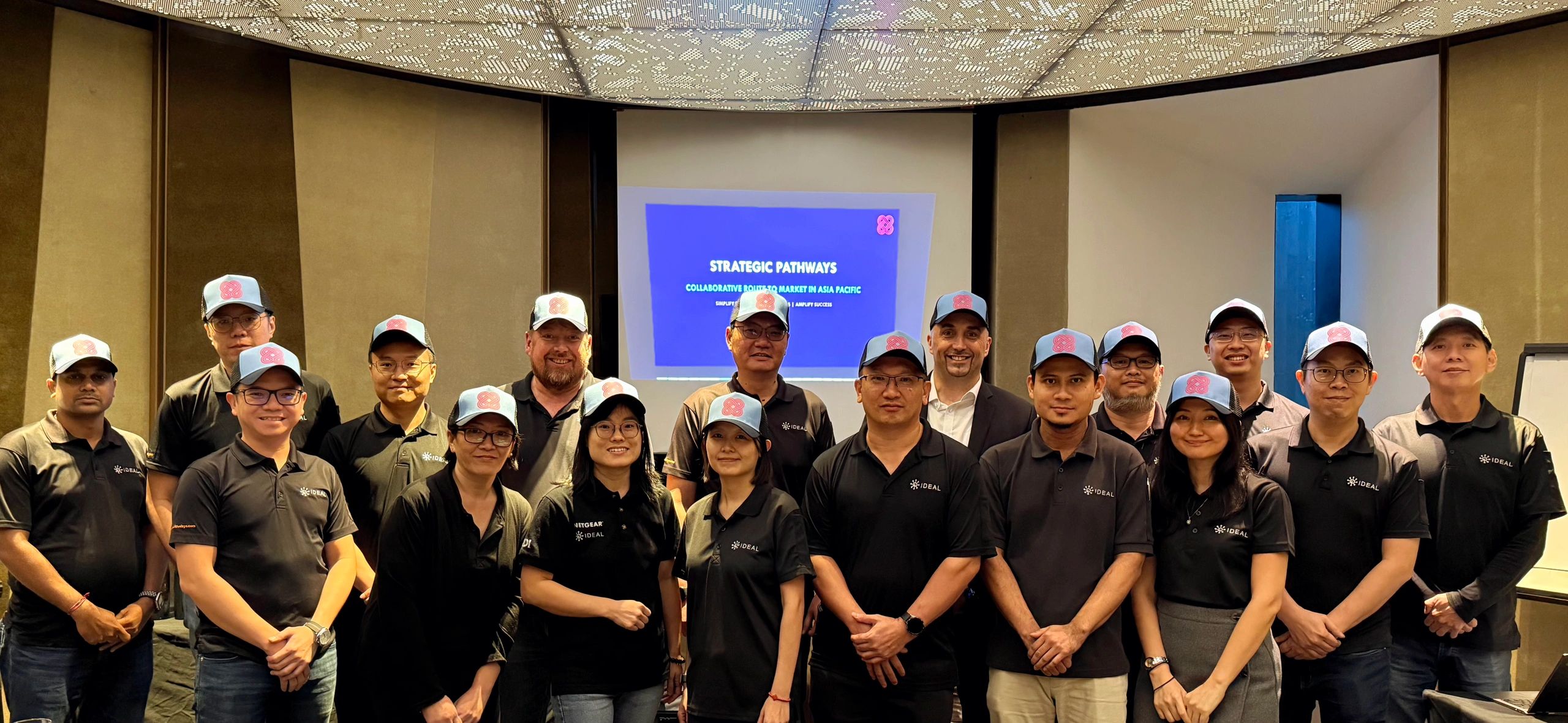
The audio-visual (AV) industry is at a crossroads. As AV and IT systems converge and AI-driven applications reshape client expectations, technical expertise alone no longer guarantees success. Companies must now master the new B2B buying journey - a complex, multi-stakeholder process - while adopting sales and marketing approaches to lead clients through evolving needs. IDEAL Systems Singapore, a leader in ProAV and Broadcast solutions, exemplifies this evolution, having upskilled 17 team members through the Strategic Compass workshop led by Marc A. Rémond, a veteran sales strategist in Asia-Pacific.
The New B2B Buying Journey: Complexity Demands Strategy
Today’s B2B buyers are no longer linear decision-makers. The modern buying journey involves diverse stakeholders - from technical experts to C-suite executives - each prioritising different outcomes. Sales cycles are longer, objections are more nuanced, and clients demand solutions that align with both immediate technical requirements and long-term business goals.
Marc A. Rémond, founder of Strategic Pathways, explains: “The B2B buying journey is a maze of competing priorities. Winning requires teams to decode stakeholder motivations, deliver insights that reframe client thinking, and guide buyers toward decisions that drive mutual value. This is where the Challenger Sales methodology becomes critical.”
-1d3a330.png)
How IDEAL Systems Singapore applied the Challenger approach
Fintan Mckiernan, CEO at IDEAL Systems Singapore, underscores why the company prioritised the Strategic Compass programme: “As we continue to invest in growing our Pro-AV business it’s imperative that we continually upskill our sales staff. In an industry fixated on product specs, we needed a framework to cut through noise. The Challenger Sales methodology taught our teams to proactively shape conversations, challenge client assumptions, and position our solutions as catalysts for business growth. Combined with insights into the B2B buying journey, this approach is transforming how we engage clients.”
The workshop’s focus on the Challenger Sales methodology - emphasising reframing conversations, tailoring insights to stakeholders, and proactively addressing objections - equipped IDEAL’s teams to navigate intricate sales cycles. By mapping their strategies to the B2B buying journey, staff learned to identify pain points early, align solutions with stakeholder priorities, and accelerate decision-making.
Challenger Sales: The Skills AV Teams Need to Lead
Marc A. Rémond highlights three pillars of the Challenger Sales methodology critical for AV professionals:
- Teach, Tailor, Take Control: Deliver unique insights that challenge clients’ status quo, tailor messaging to specific stakeholders, and guide the buying process with confidence.
- Stakeholder-Centric Communication: Craft messages that resonate with technical, financial, and executive audiences, bridging gaps between IT requirements and business outcomes.
- Proactive Objection Handling: Anticipate and address concerns before they derail deals, positioning solutions as indispensable to clients’ success.
“The Challenger approach isn’t about pushing products - it’s about leading clients through their own buying journey,” Rémond emphasises. “In a market obsessed with technical features, teams must pivot from reactive problem-solving to insight-driven selling. This means leveraging data, understanding the impact of new technology in client ecosystems, and positioning AV solutions as enablers of digital transformation.”
Channel Management and Strategic Alignment
The workshop also addressed the nuances of channel partnerships, where conflicts between vendors, distributors, and integrators can hinder growth. By understanding Channel Management principles and economics, teams learn to align ecosystem partners around shared goals, transforming potential adversaries into collaborators.
“The B2B buying journey extends beyond the end customer,” Marc A. Rémond notes. “Managing relationships with strategic rigour ensures seamless execution and reinforces trust across the value chain.”
Thriving in the AI-augmented landscape
For AV companies, survival hinges on understanding the new B2B buying journey and adopting methodologies like Challenger Sales to lead clients through complexity. IDEAL Systems Singapore’s investment in strategic upskilling underscores a broader industry truth: Technical knowledge is merely the entry ticket - mastery of the buying journey and new sales and marketing techniques separates leaders from followers.
“The future belongs to those who teach, challenge, and guide,” Marc A. Rémond concludes. “By arming teams with these skills, AV firms won’t just adapt to convergence and AI - they’ll define the next era of the industry.”
Strategic Pathways’ Strategic Compass workshop was held on 25 April 2025 at Crowne Plaza Changi, Singapore.
Strategic Pathways works with enterprise leaders to turn this kind of analysis into a running system. If you are weighing how this applies to your own organisation, you can start a conversation.
This analysis is part of the Human and AI Intelligence newsletter, a weekly briefing for executive leaders on growth, execution and AI strategy across APAC.
Frequently asked questions
What is the new B2B buying journey?
A non-linear, multi-stakeholder process in which technical experts, finance and executives each weigh different outcomes, making sales cycles longer and objections more nuanced.
Why is technical expertise no longer enough in AV?
As AV and IT converge and AI reshapes client expectations, buyers expect partners who can connect technical solutions to business outcomes across stakeholders.
What are the pillars of the Challenger approach for AV teams?
Teach, tailor and take control; stakeholder-centric communication; and proactive objection handling.
Why does channel management matter in the buying journey?
Because the journey extends beyond the end customer: vendors, distributors and integrators need to be aligned around shared goals.
Comments
Post a Comment